

How the Craps Table Layout Explained to New Players
When you first walk up to a table game floor, the craps layout can look more like a wiring diagram than a betting surface. I’ve spent over 11 years in CRM and lifecycle strategy for gaming operators, and the same principle applies here as it does to segmenting a player base: the structure tells you where the action actually lives. For an Australian punter pulling up a chair on a Tuesday arvo in Newcastle, knowing which boxes are pass-line territory, which are proposition bets, and where the dealers expect your chips makes the difference between feeling lost and playing with intent. This read walks through the printed surface, the dealer stations, and the betting zones so you can place your chips where the rules actually expect them.
Reading the Printed Surface
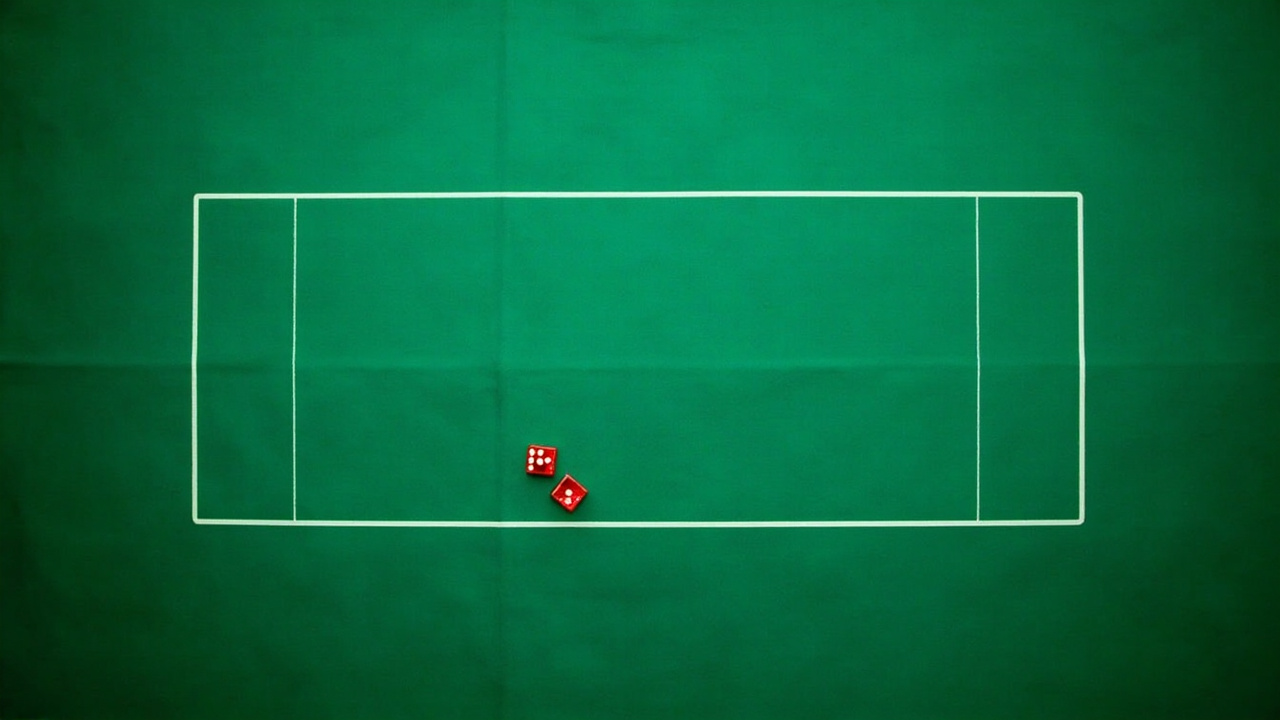
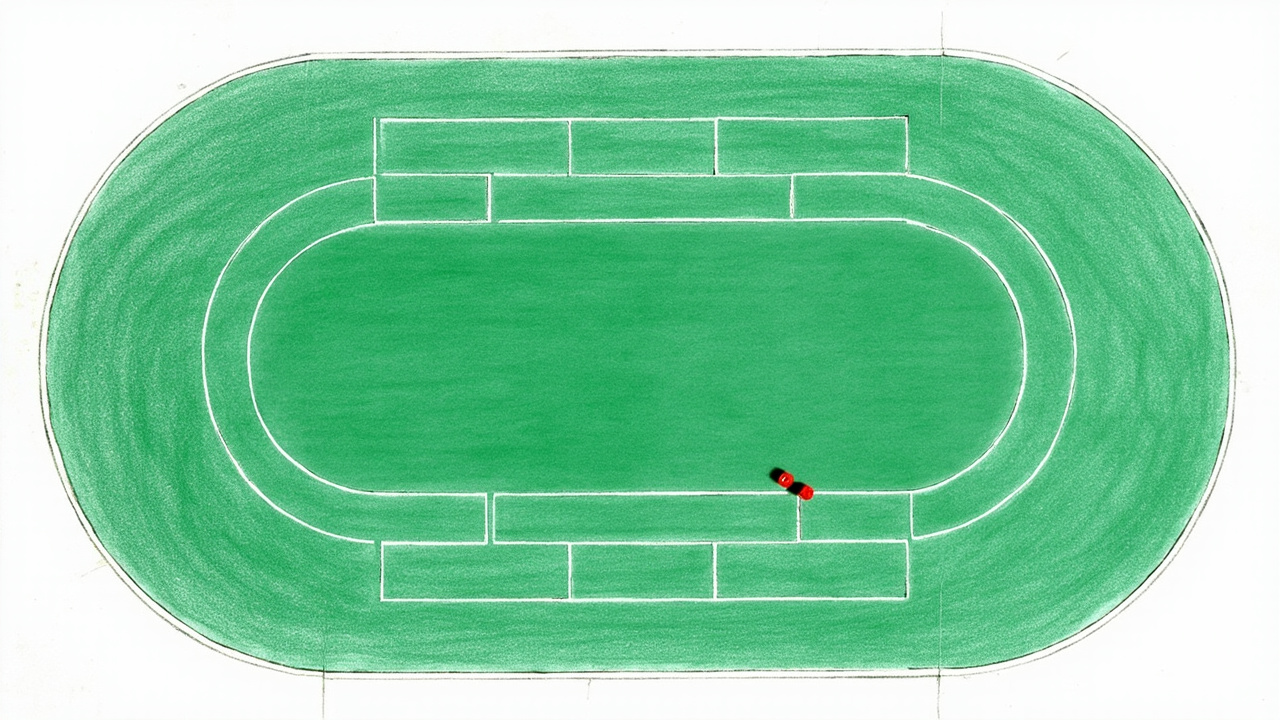
The main playing area sits in the middle of the felt and is divided into two broad halves. The pass line and don’t pass line run along the front and back edges, marking the core bets that carry the lowest house edge when you stick to basic strategy. Alongside them you’ll find the come and don’ t come boxes, which function like secondary pass lines once a point is established. The field box sits across the top, offering one-roll payouts that look flashy but carry a steeper edge, which is why I’d rather see a new player build a session around the pass line and its free odds than chase the field on every roll.
Below the main area, the proposition bets cluster in individual boxes for numbers two through twelve. These are one-roll wagers with payouts that don’t match the true odds, and that’s where the layout quietly rewards patience over impulse. The vertical strips between the proposition boxes are the hardways, and the small rectangles near the stickman’s side are where the dealers track the active point. If you’ve ever managed a loyalty campaign, you know the value of showing players the shortest path to value; the same logic applies here, because the printed zones are essentially a map of where the maths sits most kindly.
| Feature | What you’re looking at |
|---|---|
| Pass line | Front edge, main even-money bet that wins on 7 or 11 and loses on craps |
| Don’t pass | Back edge, opposite of the pass line, wins on 2 or 3 and pushes on 12 |
| Come / don’t come | Side boxes that act like secondary pass lines after a point is set |
| Field | Top box, one-roll bet on 2, 3, 4, 9, 10, 11, 12 with higher house edge |
| Propositions | Individual number boxes, one-roll payouts, steeper edge |
| Hardways | Vertical strips for 4, 6, 8, 10 rolled as doubles only |
Dealer Stations and Where the Chips Go
The layout isn’t just about the printed boxes; it’s also about the three dealer positions that keep the game moving. The boxman sits opposite the players and oversees the table, verifies winning bets, and handles chip exchanges. On either side, the two base dealers manage the pass and don’t pass areas, paying winners and collecting losers while keeping the line of chips tidy. The stickman operates the centre, calling out the dice results, controlling the puck that marks the point, and handling the proposition and hardway bets that sit in the middle zone.
When you place a chip, the dealers expect it to land squarely in the box or on the line that matches your wager, and the layout’s printed borders exist to remove ambiguity. I’ve seen campaigns misfire because the messaging landed in the wrong segment; a misplaced chip on a craps table gets paid wrong or voided just as quickly. If you’re betting the pass line, your chip goes on the front edge before the come-out roll. If you want odds behind a established point, you place those chips behind your original bet on the layout, not inside the proposition boxes, because the odds bet carries no house edge and is the one spot where the printed surface and the maths agree.
For Australians used to racing fields and local clubs, the rhythm here is different from a poker machine floor, and that’s worth noting before you drop your first chip. The dealers call the action, the stickman keeps the pace, and the layout’s zones tell you which bets are active on which roll. If you’re reading up on the broader side of table wagering, you can check out a related piece on Wedden bij craps: ontdek een spannende casinoklassieker for a different angle on how the game plays out across sessions. The key takeaway for a local player is that the layout is designed to keep every bet visible and every payout traceable, so you can follow the action without needing to memorise the whole felt at once. jeetcity7
Who This Layout Suits Best
If you’re the sort of player who likes to watch the dice, track the point, and keep your bets anchored to the lower-edge zones, the standard layout rewards that style. The pass line, come bets, and free odds are the clearest path for players who want a slower, more structured session rather than a scattergun run across the proposition boxes. On the other hand, if you prefer quick one-roll action and don’t mind a higher house edge for the sake of pace, the field and proposition areas are right there on the felt, though they’re not where I’d build a session plan if I were managing a player’s lifecycle toward longer play.
Annika Kelly, Head of Product, Harbour City Gaming Review, puts it plainly: “The layout is the game’s instruction manual, and players who learn the zones before they bet tend to stay in control longer.” That lines up with what I’ve seen across loyalty and segmentation work: the players who understand the structure are the ones who can set their own pace, pick their spots, and walk away without feeling like the table ran them over. For a Newcastle local pulling up a stool on a busy night, that means knowing the pass line, the come area, and the odds behind the point are your anchor, while the proposition boxes are there if you want a flutter on the side.
That same mindset applies whether you’re watching the dice roll in a local club or reading up on the finer points of table etiquette. If you want a deeper breakdown of how modern layouts guide decision-making, the analysis at the craps strategy guide is worth a quick look. Ultimately, treating the felt as a map rather than a maze keeps the session enjoyable and the bankroll intact.
If you’re comparing operators and want a clearer picture of where table games sit alongside other offerings, you can have a look at jeetcity7 for how one operator frames its overall mix. The point isn’t to chase a flashy layout or a big bonus headline; it’s to match your play style to the zones that fit your bankroll and your patience. The craps table layout explained here is just the starting point, because once you can read the felt, you can decide which bets belong in your session and which ones are better left for another arvo.
Sorry, the comment form is closed at this time.