Everything About Righteous Streetwear Outfit Pairing Ideas
Building a Movement: The Way Members within Righteous Brand Collective Unite
A clothing label is only as solid as the people who wear it out into the world, and it’s here that the real story of We Are Righteous starts. This isn’t a brand shaped merely by ad budgets norcelebrity seeding. It’s a brand shaped in comment sections, in chat groups, in resale threads, and in how folks tag one another under just one hoodie post from the line. Community has emerged as the engine, and the product is simply the reason people gather. When you look closely at how this community came together, one notices a dynamic resembling other durable streetwear brands: a small group of early believers who converse, clash, and in time win strangers over as customers.
What makes this particular community noteworthy is how forthright it is about honesty. People do not just post outfit photos; extended, uncompromising review threads get written, breaking down the stitching, the fit, and the post-ten-wear wash results. That degree of attention to detail is rare, and it has compelled the brand to remain answerable in ways advertising by itself could never achieve. The result is a feedback loop where customers effectively co-manage quality control, and the brand listens because the community is the distribution channel.
Our Community’s Genuine Home
Instead of clustering around any single go-to space, the We Are Righteous following is dispersed across a few particular corners of the internet—a pattern that’s by design.
The Instagram feed showcases the look-and-feel, with followers sharing fit checks and tagging the brand handle for a shot at being reshared.
Discord-like community threads and closed discussion boards carry the more detailed discussion, where restock timing, sizing quirks, and future releases get dissected line by line.
Reddit threads and standalone blogs occasionally bring up righteous outlet a review of we are righteous that dives into a deeper level of analysis than any listing page manages.
Newsletter subscriptions continue to count here as well, which surprises people who assume younger shoppers ignore inboxes. Getting first crack at limited runs is more often than not the top reason behind people joining the list, because the community has learned that these prized apparel launches sell out in a hurry and hardly ever come back in the same colorway. Because production runs really are limited, the scarcity isn’t manufactured hype—and fans regard it as a serious matter. Showing up six minutes past a release has become a recurring gag among followers, equal parts irritation and bragging rights.
In a small number of cities, fans—rather than the brand proper—have begun organizing casual get-togethers. They tend to be modest events, at times fewer than twenty people, built around swapping items, comparing sizing across assorted collections, and capturing fits together. It is organic in the fullest sense, and it reveals something about commitment when fans arrange their own events around a fashion brand unprompted.
Fan-Made Content as the Real Marketing Budget
Talk to anyone who follows streetwear closely and they will explain that community content now beats paid campaigns for brands at this phase of development. We Are Righteous gains tremendously from this phenomenon. Since it originates from someone the audience already believes in, a single carefully composed photo of the righteous hoodie styled with contrasting outerwear can generate more engagement than a professional shoot. Fans are not paid influencers in most cases; they are customers who appreciated how a piece fit and chose to share it.
Such material also does something a brand’s own photography cannot: it reveals real bodies, real lighting, genuine everyday context. Someone wearing a garment on a daily commute, at a show, or on a weekend getaway demonstrates shape and flow more convincingly than a controlled studio shot. That realness is specifically why so many buyers now look up a righteous review before buying anything, preferring a stranger’s unfiltered take over marketing copy. The fanbase has effectively become the brand’s most convincing sales team, unpaid but deeply invested.
There is also a additional effect worth pointing out. When fans produce content, they often compare pieces against other labels they own, which unintentionally produces free competitive analysis for anyone reading. A shopper researching righteous clothing brand quality can, in a few swipes, see it stacked up against a handful of other names in the comparable price bracket. Suchtransparent, informal comparison shopping did not exist in fashion a decade ago, and it has set a higher standard for everyone, not excluding this brand.
Contrasting How Communities Engage
Street fashion communities differ quite a bit, and grasping those distinctions helps explain why the We Are Righteous fanbase seems distinct. The following table contrasts overall engagement patterns across three typical community types in this niche, based on observable activity rather than company claims.
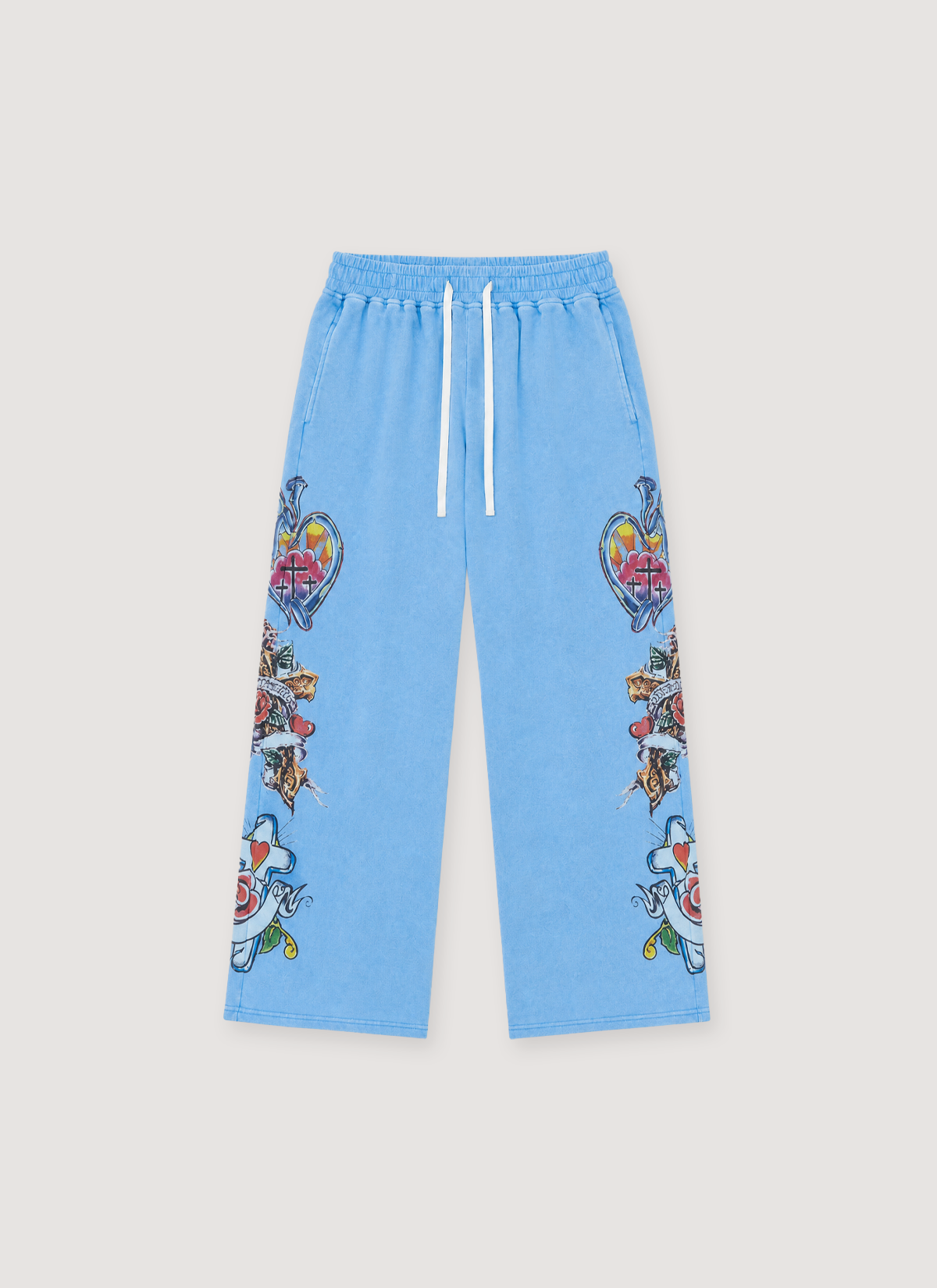
| Type of Community | Main Platform | Primary Behavior | Typical Post Frequency |
|---|---|---|---|
| We Are Righteous fan community | Instagram platform + private chat groups | Fit checks, drop alerts, honest reviews | Several times weekly around drops |
| Sizable general streetwear community | TikTok | Trend-driven hauls, unboxings | Every day, large output |
| Specialized reseller and collector community | Discord and forums | Verifying authenticity, tracking prices, trading items | Ongoing, nonstop, minimal visual content |
This comparison shows that the We Are Righteous community sits somewhere between the high-frequency chaos of mainstream trend culture and the quieter, more technical world of collector forums. It is visual enough to feel current but detailed enough to feel trustworthy, and that balance is not something a brand can fully engineer on its own.
From Feedback to Final Design: How It Forms
Righteous apparel choices are influenced quite noticeably by community feedback, an aspect that stays overlooked within this brand environment. Sizing complaints voiced in a review thread have historically led to revised fit notes on subsequent product pages. Calls for restocking on specific pieces get kept tabs on unofficially by fans themselves, who then notify the brand directly when interest climbs to a noticeable threshold. This isn’t a formal focus group process; it is more like an ongoing, unstructured conversation that happens to influence real outcomes.
When a limited drop of the righteous hoodie sells out within hours, supporters publicly call for its return, and those requests accumulate in comment sections until they become impossible to dismiss. Colorway decisions in particular seem to respond to community sentiment, and regardless of whether each one is granted, the prominence of that feedback guides how future runs get planned. Compared with the traditional top-down fashion model most people grew up with, this is a much more open relationship between shopper and label.
A notably recurring subject shoppers bring up has emerged as sizing reliability. Since shoppers swap observations across several orders, trends surface fast — whether an item fits as expected, runs a touch large, or works best layered. Shoppers new to the brand checking out righteous clothing before buying often trust these community-sourced sizing notes ahead of the official size chart by itself, viewing community consensus as additional reassurance.
What This Means Heading Into 2026
Moving onward through 2026, the company appears poised to see its community dynamic deepen rather than thin out. More cities are experiencing impromptu gatherings emerge, a growing number of independent reviewers are releasing detailed breakdowns, and a growing share of first-time buyers are coming in already prepped by someone else’s honest we are righteous review rather than detached promotional messaging. That is a meaningfully different customer journey than most fashion brands experience, and it puts pressure on product quality to keep matching the conversation happening around it.
There is also an increasing sense of anticipation among the fanbase that the company will keep listening, not just putting out releases. When feedback results in an update, fan communities built on this kind of engagement expect recognition—even if it’s just a blurb nodding to a widely-made ask, because they do not tolerate silence well. Because people stay invested in brands that visibly respond to them, this dynamic ups the ante while also strengthening loyalty.
In the end, the culture around We Are Righteous has been forged less by campaigns and more by conversation. Loyal followers swapping notes on fit, hashing out sizing quirks, setting up their own get-togethers, and publishing unsponsored reviews have shaped who the brand really is beyond what any one ad campaign ever managed. That grassroots foundation is fragile in some ways, since it depends entirely on continued trust, but it is also uniquely resilient. Since self-made communities tend to protect their own creations, that pattern will most likely go on influencing the brand well beyond the current year.